

Create Habitat
Make your space better for wildlife.
Even small gardens, backyards and balconies can provide food, shelter and safe places for native wildlife.


You don’t need a big space to make a big difference.
Native plants and a few simple habitat features can turn almost any outdoor space into a refuge.
By providing food, shelter, water and places to move safely, you can help support native wildlife and create healthier habitat right where you live.

Plant Local Natives
Native plants provide food, shelter and resources that local wildlife has evolved to use.
Choosing plants suited to your local area can help support birds, insects, reptiles and other wildlife.

Create Layers
Natural habitat is made up of different layers of vegetation.
Groundcovers, grasses, shrubs and trees create different feeding, shelter and nesting opportunities.
Even a small garden can provide multiple layers of habitat.
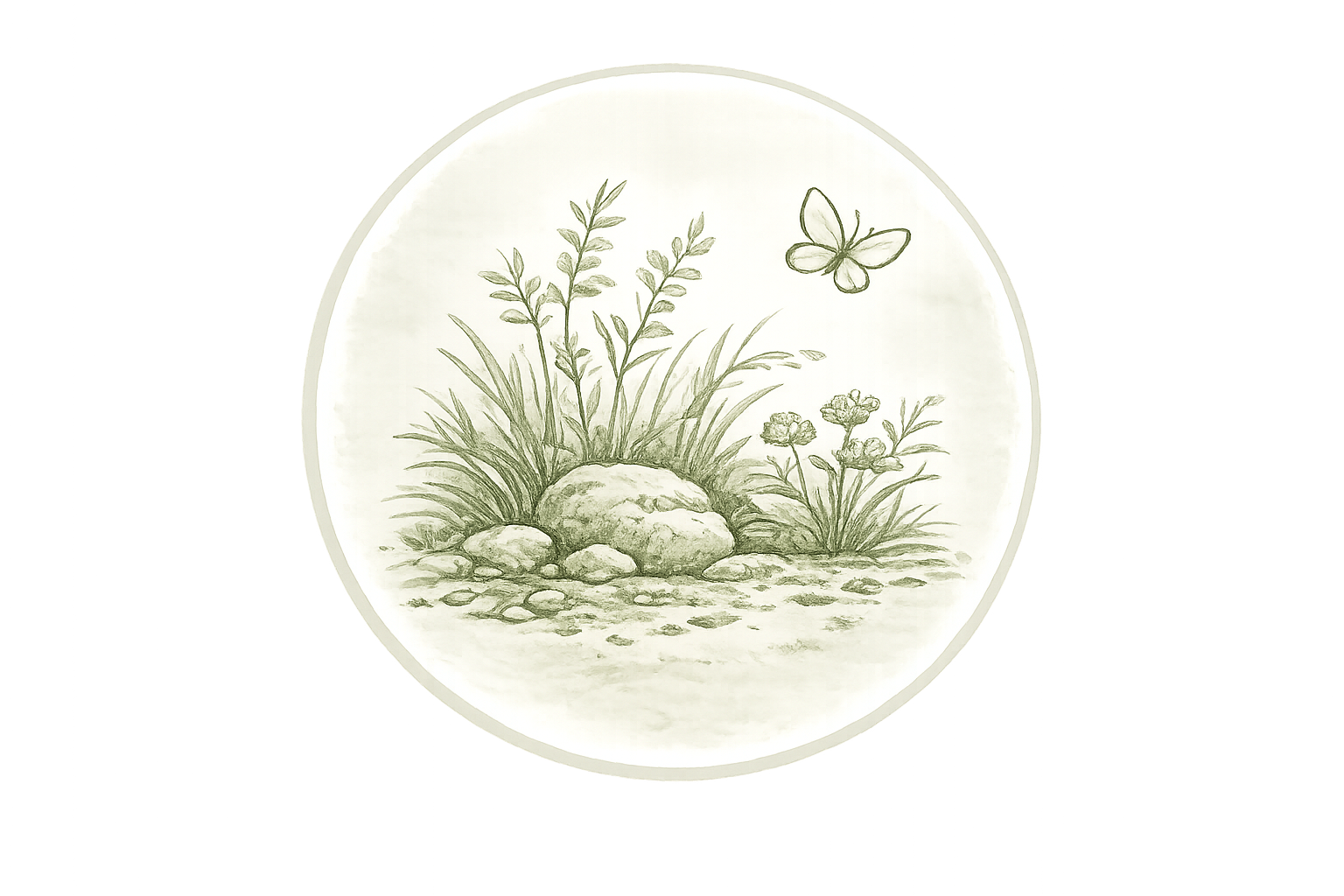
Leave Some Wild Corners
A wildlife-friendly garden does not need to be perfectly tidy.
Leaf litter, fallen branches, logs and dense vegetation can provide shelter and feeding areas for insects, reptiles, birds and small mammals.
Sometimes leaving part of the garden alone can be just as valuable as planting something new.

Connect Habitat
Wildlife often moves through gardens, reserves, roadside vegetation and neighbouring properties.
Planting along fences and maintaining vegetation between habitat areas can help create safer pathways through the landscape..
Simple habitat ideas
Plant dense shrubs and small trees
Dense vegetation can provide shelter from weather, protection from predators and places for animals to rest, feed and nest.
Include flowering plants
Native flowering plants can provide nectar and pollen for birds and insects while supporting the wider food web.
Choosing plants that flower at different times of the year can help provide resources across the seasons.
Add logs and rocks
Logs, rocks, bark and branches create hiding places, basking areas and feeding habitat for reptiles, insects and other small wildlife.
Where safe to do so, consider keeping natural materials already present on your property.
Keep leaf litter and mulch
Leaf litter provides habitat for insects and other small animals while helping protect soil and retain moisture.
These insects can also become an important food source for birds, reptiles and other wildlife.
Provide a water source
A shallow source of clean water can help wildlife drink and bathe, particularly during hot and dry conditions.
Water should be placed somewhere animals can approach safely and should be cleaned and refreshed regularly.
Why habitat matters
Habitat provides the food, water, shelter, nesting opportunities and safe movement wildlife needs to survive.
Creating habitat at home does not replace natural bushland, but gardens and properties can still contribute valuable resources and help connect wildlife through increasingly modified landscapes.
Every patch of habitat can play a part.
Start small
You do not need to redesign your entire garden.
One native plant
Start with one native shrub, grass, groundcover or tree suited to your space.
Every additional plant can add food, shelter or structure to your garden.
A safe water source
A shallow dish or birdbath can provide a valuable source of drinking and bathing water.
Keep it clean, refill it regularly and provide nearby vegetation or cover.
Create one wild corner
Choose a small part of the garden where leaf litter, native plants, fallen branches or rocks can remain.
Over time, even a small area can become useful habitat for wildlife.